Pasta and Grains
Choosing between the absorption and pasta methods for rice

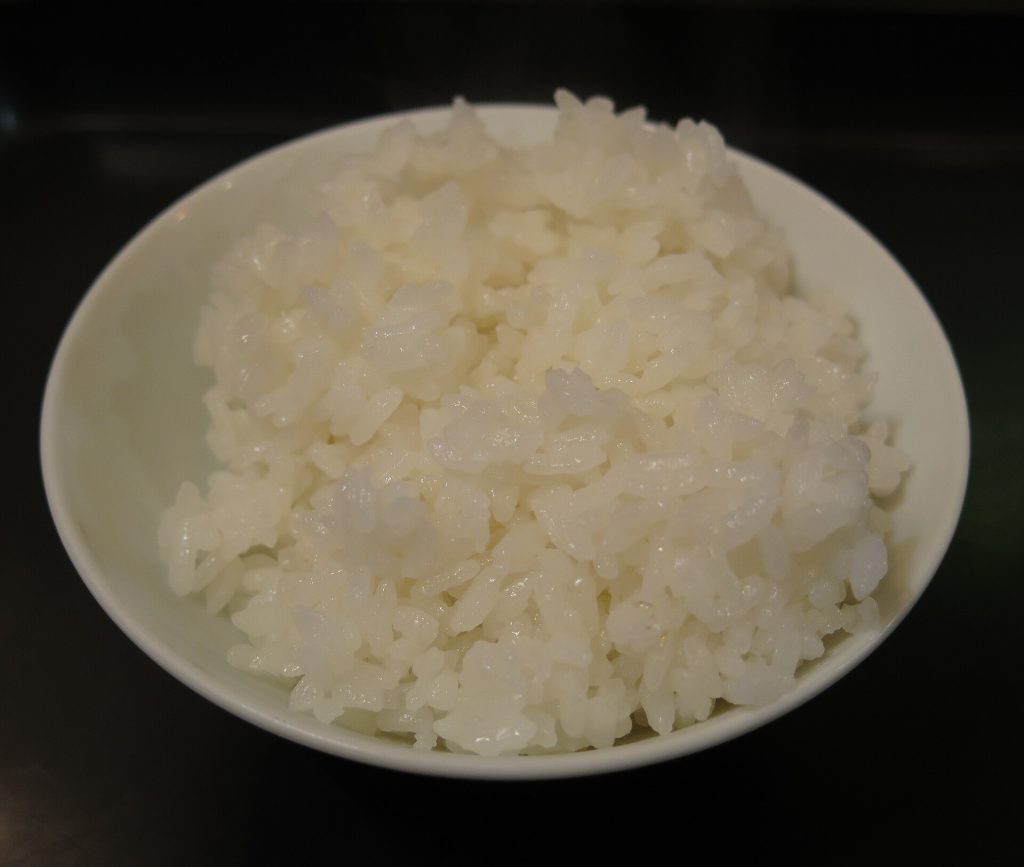
Rice is usually taught as an absorption problem: a fixed ratio of water to grain, a tight lid, and a timer. That method works, and it is not the only one that does.
Boiling rice in a large pot and draining it, the way pasta is cooked, has been standard in parts of the world for far longer than the absorption method has appeared in recipes.
The two produce different rice. One keeps the starch on the grain and the seasoning in the pot, and the other washes both away and gives the cook a direct say in doneness.
Which one to use depends on the rice, the pan, and what the rice is for. It does not depend on which of them is more correct.
What each method actually controls
Absorption fixes the water. The rice takes up what it can and the rest evaporates, so doneness is set by the ratio and the lid rather than by the cook.
The pasta method fixes the time instead. The rice cooks in more water than it can absorb, and it is drained when a grain tastes right.
That difference decides everything downstream. Absorption keeps the starch and the salt in the pot, and draining takes both out with the water.
Absorption is a single vessel task with nothing to drain, which is why it became the default in recipes written for a home cook.
The pasta method scales without arithmetic, since a larger pot and more water do not change the timing much at all.
Both want a rest at the end. Neither is finished the moment the heat goes off.
Where absorption fails at home
Most home failures with absorption come from the pan rather than the ratio. A thin pan with a hot spot scorches the base while the top is still wet.
A loose lid is the second cause. Water escapes as steam, the ratio in the pot changes, and the rice finishes dry with a hard center.
Test the lid before the rice goes in. Put it on, shake the pot gently, and feel for steam at the rim; if any escapes, a sheet of foil under the lid will seal it.
Old rice is the third. Rice that has dried in storage needs more water than the packet allows, and rice from a fresh crop needs less.
Electric and induction hobs add a fourth. They cycle on and off, so a setting that looks like a simmer is a boil for part of the time and nothing for the rest.
The fixes are physical rather than technical. A heavy pan with a tight lid, a heat diffuser under a thin one, and a timer set at the low end of the range.
Ten minutes off the heat with the lid on finishes the cooking by residual heat and evens the moisture through the pot.
If the rice is still wet at the end, leave the lid off for two minutes over low heat. If it is dry, a tablespoon of hot water and a covered minute will bring it back.
Where the pasta method fails
Drained rice comes out wet. Water sits in the spaces between grains, and a fork will not remove it, so it needs a drying step that absorption does not.
It also loses salt. The water has to be salted like pasta water, at about one percent, and the rice still ends up less seasoned than the absorption version.
Surface starch goes down the sink. That gives separate, distinct grains, which is what a pilaf wants and what a sticky rice does not.
Short grain rice is the wrong candidate. The stickiness that holds a bowl of rice together is the starch that draining removes.
There is a timing cost too. Drained rice has to be watched at the end, since a minute past the bite leaves a grain that is soft through and no longer separate.
The method also uses a lot of water and a large pot, which matters on a night when the meal is already using every burner.
None of this is a defect. It is a set of trade-offs that suit some dishes and not others.
The drying step that makes draining work
Drain the rice through a sieve or a colander, shake it once, and return it to the dry pot. The pot should still be warm, with the heat off or at its lowest setting.
Leave the lid off for five minutes. Steam leaves, the surface water evaporates, and the grains firm up from the outside.
A warm pot with the lid off works as a drying chamber, and the residual heat does most of the work. A cold pot traps the water back onto the rice.
Do not return the rice to a pot that is still on the heat. The base catches within a minute, and the layer that scorches is the layer the fork reaches first.
Fork the rice through once at the end, lifting from the bottom rather than stirring. Stirring crushes the grains and releases starch that makes the surface pasty.
A tray works as well as a pot and faster. Spread the rice thin for three minutes and the same drying happens with no risk of scorching.
What you are after is rice that falls apart when the fork goes in and does not leave a wet patch on the plate.
A clean cloth laid over the pot for two minutes will pull the last of the surface water into the fabric if the rice still looks damp.
Which rice suits which method
Long grain rice works either way. The pasta method suits large batches and dishes where separate grains matter, and absorption keeps more of the aroma in the pot.
Basmati loses a good deal of its perfume to the drain. Where that aroma is the point of the dish, absorption with a short soak first is the better route.
Short grain and sticky rice should not be drained at all. Their structure depends on the surface starch that draining removes, and the result is loose grains in a bowl that wanted a cake.
Aromatic varieties in general lose more to the drain than plain long grain does, because the compounds that carry the scent are volatile and leave with the steam.
Sushi rice is the one case where the choice is not open. It is washed until the water runs clear to control surface starch, then cooked by absorption and seasoned while warm.
Parboiled rice is forgiving either way, since the grain is part cooked before it is dried, and it holds its shape through both methods.
Brown rice is the clearest case for draining. The bran layer slows water uptake, the cook runs forty minutes or more, and absorption over that length scorches easily.
Wild rice, which is not rice at all, behaves like brown rice and benefits from the same treatment.
A mix of white and wild grains in one pot is far easier to time in a large pot of water than under a lid.
Numbers that work and where to stop
For absorption, one cup of long grain rice takes one and a half cups of water, and short grain takes one and a quarter. Brown rice takes two and a quarter and forty five minutes.
For the pasta method, one cup of rice goes into eight to ten cups of boiling salted water, and long grain is ready in ten to twelve minutes.
A wide pot with plenty of room keeps the grains moving in the boil and stops them settling into a layer that cooks unevenly at the base.
Start tasting two minutes before the expected time. The grain goes from chalky to done in a narrow window, and that window is easy to miss.
Both methods want ten minutes of rest before serving, covered and off the heat. The rest is where moisture evens out from the edge of the pot to the center.
Stir neither one while it cooks. With absorption the stirring brings starch to the surface and the base scorches, and with draining it breaks the grains.
Tonight, put a large pot of well-salted water on, boil a cup of long grain rice for eleven minutes, drain it, and leave it in the warm pot with the lid off for five.