Prep and Storage
Sunday prep that still looks like food on Wednesday

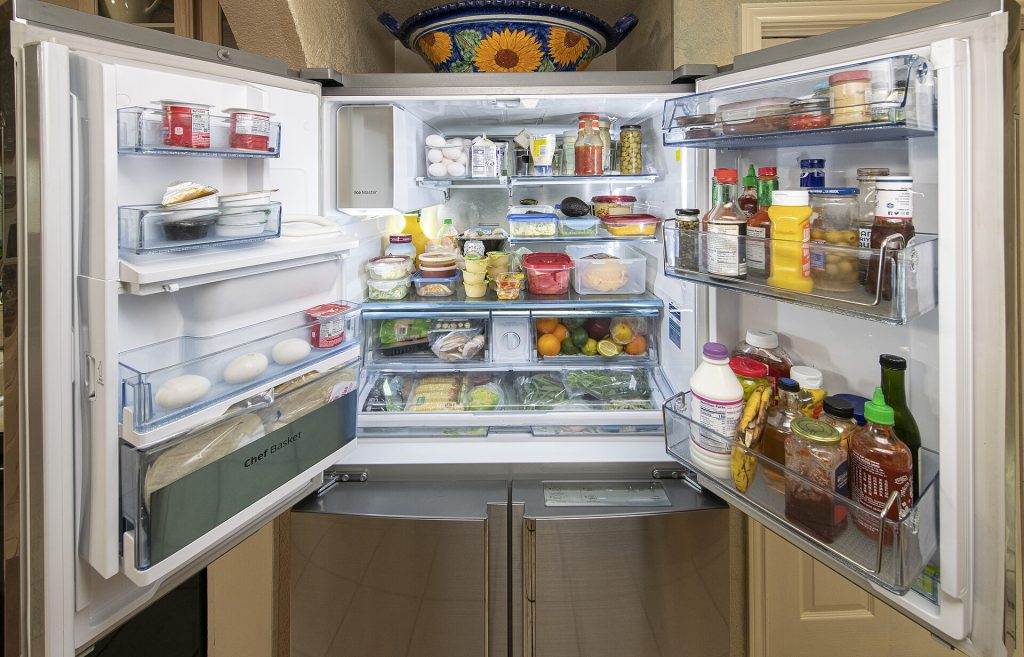
The usual advice about Sunday prep assumes that a dish cooked on Sunday still eats well on Wednesday. For most dishes it does not, and the reason has nothing to do with spoilage.
What changes first is texture and aroma. Roasted vegetables go soft and flat, grains set into clumps, and meat that was juicy on Sunday shreds dry by midweek.
None of that shows up when you open the fridge and look. The food is fine and it is also tired, which is why so many containers get carried to work and thrown out half eaten.
Prepping components instead of finished meals solves most of it, and the work is no larger. It is the same cooking, stopped earlier and packed differently.
Where the loss actually happens
Cooked food is a set of small systems that keep moving after the heat goes off. Water travels from the inside of a vegetable to its surface and then into the air of the box.
Starch moves in the other direction. Cooked rice and pasta reorder themselves as they cool, firming up and pushing free water to the surface, which is the sheen on a cold grain salad.
Aromatics are the fastest loss of all. The compounds that make roasted garlic or browned onion smell like themselves are volatile, and they leave an open container within a day.
Fat oxidizes slowly and takes on the smell of everything around it. Butter in a closed box beside cut onion tastes of onion by Tuesday, and no amount of reheating removes it.
Salt keeps working the whole time. Seasoned on Sunday, a vegetable releases water for two more days and finishes limp in a puddle of its own brine.
Cooking parts instead of plates
A finished dish is one container with one texture, and there is no way to reheat part of it without overcooking the rest. Components give that choice back.
Cook grains plain and short by a minute or two. They finish in a pan with sauce, or in a bowl with a splash of hot water and a lid.
Cook proteins to just short of done and leave them whole. A whole breast or a block of roasted meat can be sliced at the last minute; meat sliced before storage gives up its juice in the box.
Cook vegetables hard and fast so they keep some bite, and keep them away from anything wet. A dry roasted tray holds for three days better than a stewed one does.
Sauces, dressings and anything acidic go into their own small jar. Stirred into the components, they soften and dull everything they touch.
The one thing worth cooking as a finished dish is a braise or a curry, which often improves on the second day. Those belong in the freezer rather than on the shelf.
The drying problem and where water belongs
Reheated meat goes dry because it loses water twice, once in the first cook and once in the microwave. The second loss is the one a cook can control.
Store cooked protein with a spoonful of its own fat or juices rather than a pool of stock. Fat sits on the surface and slows evaporation, while stock soaks in and leaves the outside soggy.
Grains want the opposite treatment. A damp cloth over the bowl, or a splash of water stirred through before reheating, puts back what the fridge took out.
Roasted vegetables should be stored dry and brought back in a hot pan or oven rather than a microwave. Steam in a closed box is what turns a crisp edge soft.
If a container has collected water at the bottom, pour it off before storing, not before reheating. Water resting against food for two days does more damage than heat does.
A sheet of parchment between layers of anything breaded or fried keeps the crust from pressing into the layer below and going soft overnight.
Salt, acid and herbs belong at the end
Salt added before storage keeps drawing water out of vegetables and cooked grains. A bean salad salted on Sunday is watery by Tuesday and needs more salt to taste right.
Season short by about a third when the food goes into the box, then finish the seasoning when the plate is assembled. The difference at the table is larger than that arithmetic suggests.
Acid is the opposite case. Lemon juice and vinegar lose their brightness within a day and leave a flat sourness behind, so the acid waits until the end.
A jar of dressing or half a lemon in the fridge covers this. Thirty seconds of squeezing at the table does more for a reheated plate than an hour of Sunday work.
Soft herbs blacken and go slimy in a cold box. Chop them at the last minute, or keep them whole with the stems in a glass of water, and tear them over the plate.
Hard herbs such as rosemary and thyme survive cooking and standing, which is why they go in early while soft herbs go in late.
Boxes, headspace and the order on the shelf
A deep container cools slowly, and the middle stays warm for hours while the outside is already cold. Shallow and wide beats tall and narrow for anything going into the fridge.
Leave a finger of space at the top. A box filled to the rim presses food against the lid, and whatever touches that cold surface freezes or dries there.
Glass cools faster than thick plastic and does not hold smells. For anything with fat or spice it is the better choice, and it can go into the oven to reheat.
Put the food you will eat first at the front. A shelf organized by day rather than by type means the Wednesday meal is the one your hand reaches on Wednesday.
Raw meat goes on the lowest shelf, in a container that would hold any drip. Nothing else on that shelf, and nothing above it that gets opened and closed over it.
Write the day on the lid with a marker, not the date. The day you plan to eat it is the question you will actually ask at seven in the evening.
Cool food before it goes in, but not for hours on the counter. A shallow tray left uncovered for twenty minutes takes the steam off, and the lid goes on once it stops steaming.
Assembling a plate on Wednesday night
A shelf of components is not dinner until something heats them together. The ten minutes that follow are the whole point of the Sunday work.
Start with the fat. A spoon of oil in a wide pan, then the vegetables to warm through and pick up color, which takes three or four minutes from cold.
Grains go in next with a splash of water and a lid for two minutes, so they steam rather than fry. Then the protein, sliced, laid on top and covered for one minute.
That minute takes the chill off a slice of meat without cooking it further. Longer, and the edges go gray while the middle dries.
Sauce goes in off the heat, and the acid goes in last. Taste before adding salt, because the components were seasoned short on purpose.
The same shelf gives a different plate by changing the fat. Olive oil and lemon one night, butter and mustard the next, a spoon of chili oil after that.
A pot of noodles or a fried egg turns the same components into another shape, and neither takes longer than the reheating did.
Nothing here needs a recipe. It needs the components plain enough to go in any direction, which is the reason they were cooked apart in the first place.
The first week does not need a plan for seven days. Cook one pot of grains, one tray of vegetables and one piece of protein, then see how far they stretch.
Store them in three containers, put the acid and the herbs in a fourth, and eat from them for three days before deciding whether the work was worth it.
To test the idea tonight, put a pot of water on and cook a cup of rice or barley while you read the rest of this page. Spread it on a tray to cool, then box it.
While the water heats, cut an onion and roast it hard on a tray with oil and salt for twenty minutes. Two components, one shelf, and Wednesday already looks different.