Prep and Storage
Three ways to keep leftover roast chicken from drying out

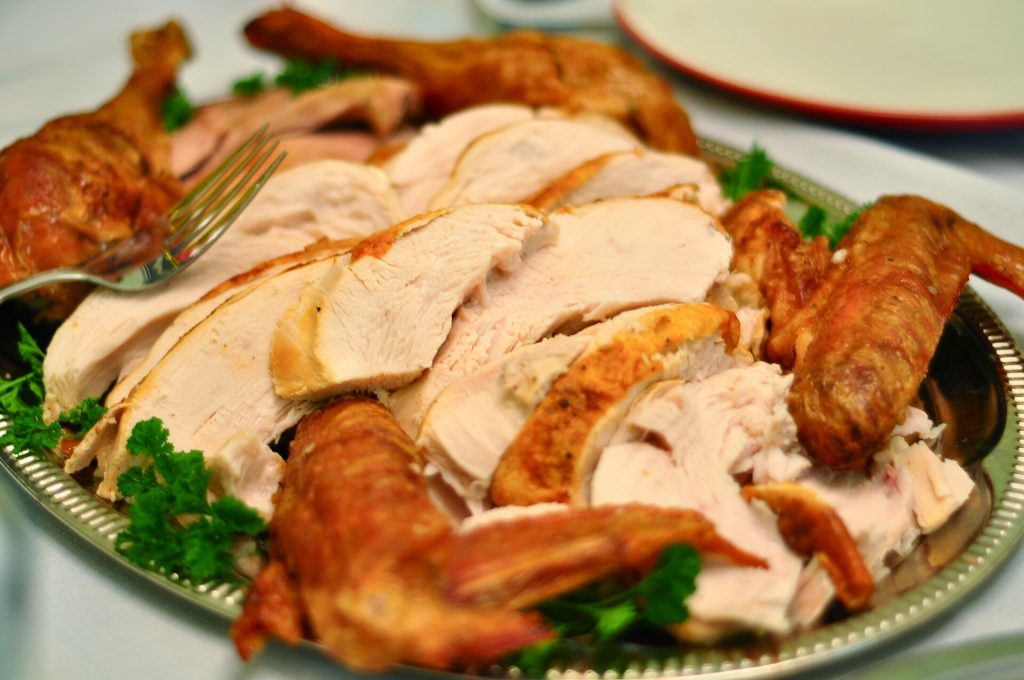
Putting leftover roast chicken back into a hot oven is the fastest way to ruin it. The bird has already been cooked once, and the second cook has nothing to add except a further loss of water.
The meat is not raw and it does not need to reach a temperature inside. It needs to be warmed, or dressed, or heated so briefly that the fibers never have time to contract.
Three routes cover almost every use: a short braise, a cold dressing, and a hard fast pass through a hot pan. All three take less time than reheating it the way it was first cooked.
Why the second cook goes wrong
Chicken muscle is mostly water held inside bundles of fiber. Heat makes those fibers contract, and contraction squeezes water out into the spaces between them.
The first roast already did that once, which is why the meat is at its juiciest ten minutes after it comes out of the oven and never again. A second heating squeezes the same fibers a second time.
The breast suffers most because it has little fat and little connective tissue to hold moisture. The leg meat has more of both, so it survives reheating in a way the breast does not.
Slicing makes it worse. Every cut face is a new surface for water to escape from, and thin slices lose their moisture faster than a whole piece does.
This is also why cold chicken tastes drier than it looks. Fat that has set in the fridge coats the tongue differently, and the seasoning that was right when hot reads as flat when cold.
None of it means the chicken is spoiled. It means the second preparation has to add moisture or fat, rather than removing more of either.
A thermometer helps only if you read it the right way. The meat is already cooked through, so the number that matters is time in the pan rather than degrees at the center.
Pull it apart instead of slicing it
Pulling the meat into rough strips does more for reheating than any technique that follows. A torn surface is uneven, so it holds sauce and fat instead of shedding them.
Pull along the length of the fibers, then across them, until the pieces are about the size of a finger. That size warms through in a minute and stays tender.
Slicing is right for a sandwich where the meat is meant to lie flat. For anything that will be heated, torn pieces are the better shape.
Two forks are slower than fingers for this job. Once the chicken is cool enough to handle, hands do it faster and give a better sense of where the fibers run.
The skin should come off before storage and be kept separately. Left against the meat in a box it goes soft and gelatinous, and once soft it cannot be brought back.
A little of the fat and jelly from the roasting tin is worth keeping too. A spoonful of it, warmed with the meat, replaces some of what the fridge drew out.
Method one: warm it in a sauce
This is the most forgiving route and the one to use when the chicken is a day or two old and already on the dry side. It adds liquid and fat at the same time.
Put a few spoonfuls of stock, tomato sauce or pan gravy in a wide pan with a lid, and bring it to a bare simmer. The liquid should be hot but never bubbling hard.
Add the torn chicken in a single layer, cover, and take the pan off the heat. Five minutes of standing in a covered pan warms it through without pushing the fibers any further.
The lid is what does the work, because the steam it traps is the heat. Uncovered, the same five minutes dries the surface while the middle stays cold.
If the sauce is thin, lift the chicken out before reducing it. Leaving the meat in while the sauce boils down is exactly the treatment that dries it out.
A spoonful of butter or cream stirred in at the end coats the pieces and makes the whole thing taste richer than the meat deserves. Acid at the end, lemon or vinegar, lifts the flat cold flavor.
This method also rescues chicken that has been in the fridge three days. Reheated dry, it would be unpleasant. Warmed in a sauce, it is indistinguishable from freshly cooked.
Method two: keep it cold and dress it
Cold chicken does not need to be warmed at all, and a dressing solves the flatness that makes people reach for the oven in the first place.
Salt is the main tool. Salt added to cold chicken twenty minutes before serving seasons the surface and draws a little moisture back out, which makes the meat taste juicier than it is.
Fat comes next, in the form of mayonnaise, yogurt, olive oil or a thin cream dressing. Fat coats the fibers and slows the sensation of dryness on the tongue.
Acid is the third part. Lemon, vinegar or a spoonful of pickle liquid cuts through the fat and restores the brightness that cold chicken loses.
Take the chicken out of the fridge fifteen minutes before it is dressed. Meat at room temperature tastes more of itself than meat at four degrees, and the dressing spreads more evenly.
A handful of something crunchy, celery, radish, toasted bread, gives the mixture a texture the chicken no longer has. Without it, chicken salad reads as soft all the way through.
Chicken salad also improves with standing. Twenty minutes in the fridge after dressing lets the salt and acid reach the surface, and it tastes finished rather than assembled.
Method three: heat it fast in fat
A hot pan with a film of oil will warm torn chicken in about ninety seconds, and the surface picks up color that the first roast left behind. Speed is the whole point.
Get the pan hot before the chicken goes in, and do not crowd it. A full pan drops in temperature and the chicken sits in its own steam, which is the same failure as the oven only faster.
Spread the pieces out, leave them for forty seconds without moving them, then toss once. The side that touched the pan browns, and the rest warms through in the residual heat.
Adding the chicken to a fried rice or a noodle dish should happen at the very end for the same reason. Two minutes in a hot wok is enough, and five turns the edges to chips.
In soup, the chicken goes in off the heat. Ladle the hot broth over the meat in the bowl and let it stand for two minutes, and it warms through without ever being boiled.
Skin reheated this way is worth the trouble. A dry pan, no oil, skin side down over medium heat for three minutes brings back most of the crispness it had on the day.
Storing the bird so it has a chance
Pull the meat off the carcass while it is still slightly warm, within an hour of the bird coming out of the oven. Meat stripped warm keeps more of its moisture than meat left to cool whole.
Keep white and dark meat in separate boxes, because they behave differently and will be used for different things. The dark meat is the better candidate for the sauce method.
Pour any juices from the carving board over the meat before it goes in the fridge. Those juices set to a jelly and melt again on reheating, and they are the cheapest moisture available.
Cooked chicken keeps for three days in a cold fridge, and it is best on the first two. Beyond that it is a candidate for soup rather than a plate.
The carcass goes into a pot with cold water, an onion and whatever herbs are left, and simmers for an hour. That stock is what makes the sauce method worth doing later in the week.
Tonight, pull the meat off the bones while the bird is still warm, put the skin in its own small box, and cover the bones with cold water in a pot.
Then make a dressing with a spoon of mustard, a spoon of vinegar, salt and three spoons of oil, and toss half the chicken in it while it is still slightly warm.