Ingredient Swaps
Using dried, frozen and stem herbs when nothing is fresh

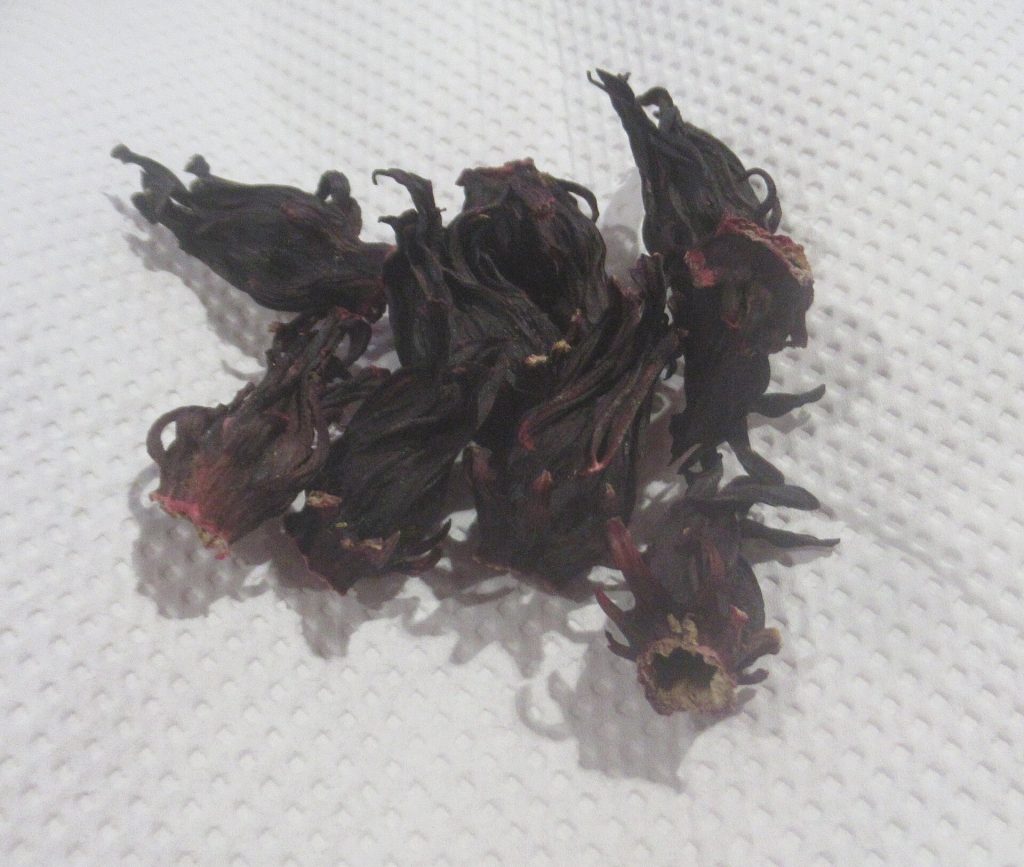
The rule that says to use a third as much dried herb as fresh is repeated everywhere, and it is wrong in both directions.
It treats dried herbs as a concentrated version of fresh ones. They are not. Drying takes out the water and most of the volatile oils that made the plant smell like itself.
What is left is a different material. Hay, tea, dusty green fibre that needs heat and fat before it gives anything back.
The rule also ignores where in the cooking the herb goes, which matters more than the ratio does.
A dried herb stirred in at the end of a saute adds grit. The same herb added early, in fat, adds flavour. Those two outcomes come from the same teaspoon.
Why the third rule fails in both directions
Fresh basil torn over a hot pan releases oils into the steam. Dried basil lost those oils in the drying, weeks or months ago.
So doubling the dried amount does not double the flavour. Past a point it only adds texture, and the texture is dusty.
The other direction fails as well. In a thirty-minute braise a teaspoon of dried oregano has time to soften and infuse.
Set against fresh oregano added at the start, the dried version holds its own and is sometimes stronger.
The variable is time and moisture, not concentration. Dried leaf needs about ten minutes of wet heat to give up what it has.
In a two-minute stir-fry it gets none of that, so it stays sharp on the tongue and tastes of the jar rather than of the plant.
Grinding solves the texture problem. Blooming solves the release problem. Neither brings back the note that drying destroyed.
That gap has to be filled by something else, and the last section of this piece deals with it.
Which dried herbs earn their space
Oregano, thyme, rosemary, sage, marjoram and bay survive drying better than most. Their oils are heavy and slow to leave.
Those are the ones worth keeping in quantity, and the ones that work in long-cooked dishes.
Bay is the extreme case. A dried leaf is arguably better than a fresh one, because it has had time to cure.
Rosemary dries into needles that stay tough for twenty minutes of cooking. Crush them or chop them fine before they go in.
Dill, parsley, cilantro, chives, basil and mint do not survive. What is left tastes of grass, or of nothing at all.
Tarragon sits in the middle. It keeps a recognisable anise note and loses the brightness that made it worth using.
Fennel seed and celery seed are not leaf herbs, but they cover similar ground in cooked dishes and they keep for years.
If a recipe depends on a soft herb for its identity, dried cannot carry it. Change the dish rather than the herb.
A tomato sauce that wanted basil can become a sauce that wants oregano. Same family of flavours, different dish, no loss.
Blooming, and the temperature that matters
Dried herbs release oils into fat, not into water. Water pulls out the dusty and bitter parts and leaves the aroma in the leaf.
Warm the oil first, then add the herb with the pan off the heat. Thirty seconds at 250F to 300F is enough.
Too hot and the leaf scorches in ten seconds, which turns the oil acrid and the herb into black flecks.
Do it at the start, in the same pan that will cook the onions. The herb flavours the fat, and the fat carries it through the dish.
A dry pan is the other route. Toast the herb for twenty seconds until it smells, then add the oil.
That works well for coarse oregano and for seeds, and badly for powdered herb, which burns before it releases anything.
Add dried herb to a stew at the beginning, then again in a smaller amount ten minutes before the end.
The first addition builds the base. The second replaces what boiled off, which is most of the top note.
That double addition does more for a braise than doubling the quantity once at the start.
Keep the jar closed and away from the stove. Heat and light degrade the oils, and an open jar fades within a few months.
Frozen herbs, and what freezing does to them
Freezing stops the loss of oils but ruptures the cell walls. The herb keeps its colour and most of its smell and loses its structure.
Thawed basil is a dark, wet mass. It is useless as a garnish and entirely usable in a cooked sauce.
Chop soft herbs before freezing, pack them into a bag and press it flat so the pieces break apart easily.
Freeze them in oil instead and you get portions that go straight into a hot pan. Two tablespoons of oil per handful of leaf.
Whole leaves frozen loose on a tray keep their shape better and can be dropped into soup while still frozen.
Woody herbs freeze well on the stem. Rosemary and thyme come out looking almost unchanged and behave the same way.
Do not refreeze. Each cycle breaks more cells, and the second thaw leaves a puddle with leaf fragments in it.
Frozen herbs go in at the same point as fresh, because they are still raw leaf, only damaged.
They release water as they thaw, so add them before the liquid goes in. Otherwise the pan cools and the vegetables steam.
Stems, the part that gets thrown away
Parsley and cilantro stems carry more flavour than the leaves, weight for weight. They are also tougher and need chopping.
Chop them fine and add them with the onions. Five minutes of heat softens them and they disappear into the sauce.
A bunch bought for its leaves leaves a pile of stems behind. Those stems are a free base for stock.
Woody rosemary stems work as skewers for chunks of meat, and they perfume the meat from the inside as it cooks.
Thyme and oregano stems go into a braise tied in a bundle, then come out in one piece at the end.
Dill stems are the strongest part of the plant. Use them in a pickle brine and keep the fronds for the finish.
Basil stems turn bitter in a hot pan. Keep those out of a saute and put them in stock, where the bitterness dilutes.
Wash stems properly. They hold grit in the joints, more than the leaves ever do.
A bundle tied with string is not decoration. It is how you get stem flavour without stem texture in the finished dish.
Rebuilding the top note without a fresh leaf
What dried and frozen herbs cannot give is the raw green note at the front of the smell. That note is chemistry, not flavour.
Acid does part of the work. A squeeze of lemon or half a teaspoon of vinegar at the end makes a dish read as fresher.
Zest does more. Lemon or lime zest carries oils that behave like the missing herb oils, and they reach the nose first.
Something raw and crunchy helps too: sliced scallion, thin celery, a fennel frond, a spoon of finely chopped onion.
Fat at the end traps aroma. A teaspoon of olive oil stirred in after the heat is off carries the top note to the table.
Salt at the end matters as well. A dish that tastes flat is usually under-salted rather than under-herbed.
If the herb was the point of the dish, change the dish. Oregano in tomato sauce reads as intentional, and basil from a jar reads as a substitute.
Crumbling dried herb between your fingers before it goes in does something real. It breaks the leaf into powder and releases oil on the spot.
Do that over the pan rather than over the jar, and add it a pinch at a time.
Take the jar of oregano down now, put a tablespoon of olive oil in a cold pan and add a teaspoon of the herb.
Warm it over medium heat until it smells like a kitchen rather than a cupboard, which takes about thirty seconds.
Then add the onions you were going to cook anyway. That is the whole technique, and it takes less time than reading the label.