Ingredient Swaps
Binding a mixture without eggs and without it falling apart

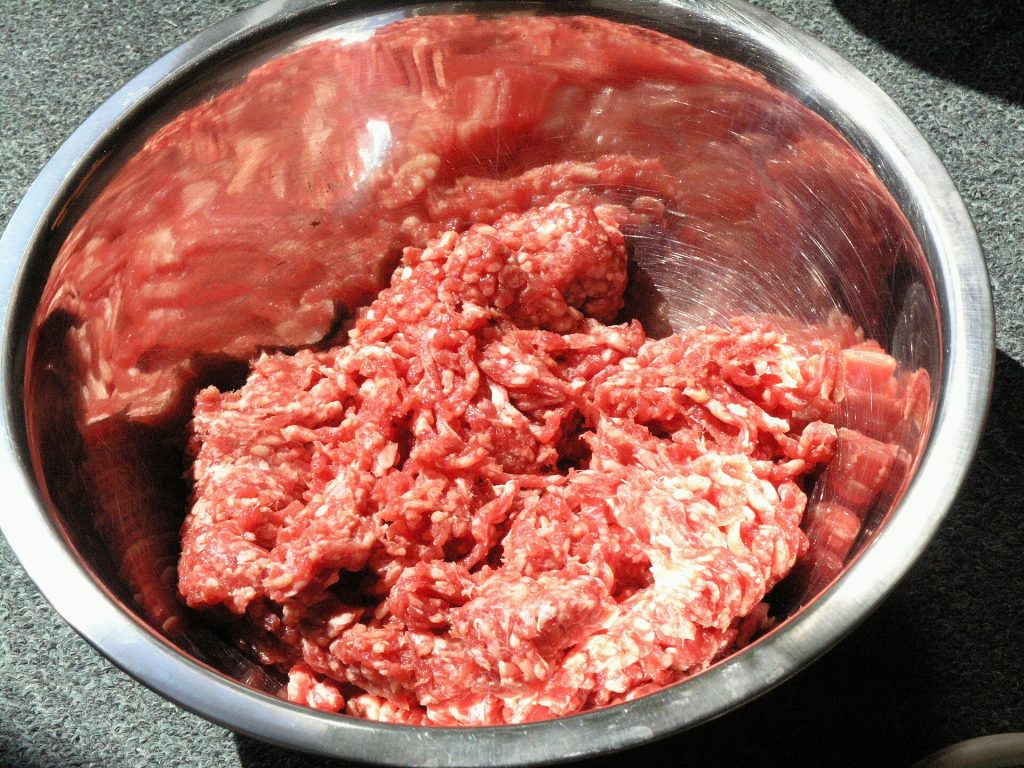
Eggs are usually described as the thing that holds a burger, a meatball or a vegetable fritter together. They are the weakest part of that job.
An egg is about three quarters water. It sets at around 165F, and as it sets it contracts and pushes liquid out of the mixture.
What holds a mixture together is a network: starch that has swelled, protein made sticky by salt, or both of those at once.
Eggs contribute a little of the second and a good deal of the first problem, which is why egg-bound mixtures are often crumbly and wet at the same time.
Remove the egg and the task is to replace a network, not to replace a liquid.
Why the egg was never doing the work
A meatball with egg and no starch falls apart in the pan. A meatball with starch and no egg holds its shape.
That comparison is the argument in one line. The egg adds moisture and a little protein, and the starch does the binding.
Egg white sets firm and then squeezes. In a thick mixture that squeeze is what makes the inside dense and the outside wet.
Egg yolk adds fat and flavour, and it interferes with the protein network rather than helping it along.
None of this makes eggs useless. They bind thin batters and they coat surfaces before frying. They are poor structural fillers.
In a mixture that already holds a lot of water, as most vegetable mixtures do, the egg adds water to a problem that is already water.
That is why egg-based vegetable patties need flour, and squeezing, and still split at the edge in the pan.
A thin batter is a different structure. There the egg proteins set around flour and trap steam, which is a leavening job rather than a binding one.
The panade, and the ratio that works
A panade is bread soaked in milk or stock and mashed to a paste. It is the oldest binder in the European kitchen.
The starch in the bread swells and forms a mesh. The liquid it absorbed stays inside that mesh instead of running into the pan.
One slice of stale bread, crust cut off, per pound of meat is the starting ratio. Soak it in an equal volume of liquid.
Squeeze it lightly, mash it with a fork, and work it into the meat before the salt goes in.
Stale bread is better than fresh, because it has already dried and takes up more liquid without turning to glue.
Dry breadcrumbs are not a panade. They absorb liquid in the bowl and release it in the pan, which is what makes a dry burger.
If only dry crumbs are in the cupboard, soak them for ten minutes in stock and use them wet, at a quarter cup per pound.
Crushed crackers and torn bread rolls do the same job, and both are more likely to be in the cupboard than a stale loaf.
Milk in the panade browns faster than stock. Stock keeps the mixture paler and adds salt, so adjust the seasoning afterwards.
A panade also lowers the ratio of meat to binder, which keeps the middle softer at the same cooking time.
The mixture should feel soft and slightly tacky, not stiff. If it holds a fingerprint when you press it, the panade is about right.
Starch and flour as the frame
Two tablespoons of flour per pound will hold a meatloaf mixture. More than that and the texture turns to paste.
Plain flour needs liquid to hydrate, so add it with a spoon of stock rather than dry into the bowl.
Cornstarch and potato starch bind more strongly per spoon and give a slicker texture. A tablespoon per pound is enough.
Cooked rice, mashed into a mixture, is a strong binder and a traditional one in meatballs and stuffed vegetables.
Rolled oats absorb liquid and hold it. Let the mixture stand ten minutes after adding them, or the oats keep drinking in the pan.
Ground nuts thicken and bind at the same time, and they brown in a way that starch does not. A quarter cup per pound.
Grated raw potato is the vegetable version. The starch released on the grater is enough to hold a fritter together.
Squeeze the grated potato dry first, or the water it releases undoes the binding it just provided.
A tablespoon of hard grated cheese per pound melts, then sets as it cools, and adds cohesion without any flour.
Instant mashed potato flakes are a fast binder at two tablespoons per pound, though they taste of themselves and need seasoning around them.
Making the protein sticky, which is the part people skip
Salt does more for binding than any starch. Sprinkled on ground meat and left twenty minutes, it dissolves proteins into a sticky film.
That stickiness is why a sausage holds together with no filler at all. It is mechanical, and it responds to mixing.
Mix with a hand or a spoon for about a minute after salting, until the mixture feels tacky and pulls at the bowl.
Overmixing has a cost. The texture becomes springy and dense, and the fat starts to smear.
Keep the mixture cold while you work, for the same reason. Warm fat does not hold air or shape.
Wet your hands before shaping. A wet surface stops the mixture sticking to you and pulling apart as you lift it.
Pack each piece firmly once and then leave it alone. Repeated shaping compresses the outside and leaves the middle loose.
Cook a spoonful in the pan before shaping the rest. It tells you whether the bind is right, and it seasons the cook.
Chill, rest and the moment of turning
Twenty minutes in the fridge sets the fat and hydrates the starch. Both make the mixture hold through the flip.
Rest is doing more than firming. The starch is still absorbing liquid and the salt is still spreading through the mixture.
A hot pan and a cold mixture is the combination to aim for. The surface sets before the inside can slump.
Do not move a piece until it releases on its own. If it sticks when you push it, the crust has not formed yet.
Shake the pan rather than lifting with a spatula. A piece that slides is ready and one that grips is not.
Thin mixtures spread and lose their shape. If the mix will not hold a ball, it will not hold a patty either.
Roll such a mixture into balls and cook them in sauce, where the sauce holds the shape the mixture cannot.
Or spread it in a dish and bake it. A crumble topping is an easier answer than a binder fighting the mixture.
Add liquid, not binder, when the mixture feels tight and cracks at the edges. Binder makes a tight mixture tighter.
A wire rack in the fridge keeps the base of each piece dry. A plate traps moisture underneath and undoes the rest.
When the mixture should not be a patty
Some mixtures are too loose for the pan, and forcing them costs more than changing the shape does.
Vegetable fritters with a high water content need the water squeezed out first. Binding a wet mixture is a losing argument.
Salt the shredded vegetable, wait ten minutes and squeeze it in a cloth. What comes out is the reason the fritter was failing.
Loose meat mixtures belong in a loaf tin, a stuffed vegetable or a sauce, where the walls do the work.
A patty needs roughly four parts solid to one part binder by volume. Below that, no binder will save it.
If it still crumbles after chilling, add another tablespoon of panade and test again rather than adding flour.
Flour fixes a wet mixture and ruins a loose one, because it changes the texture without adding cohesion.
Take a pound of ground meat, add a teaspoon of salt, and mix for a minute until it feels tacky against the bowl.
Tear a slice of bread into a cup of stock, mash it, work it in, then shape one small piece and cook it.
If that piece holds when you turn it, the rest will hold too. If it does not, the answer is more panade, not an egg.