Ingredient Swaps
Thickening a sauce without cornstarch, using flour, starch water or reduction

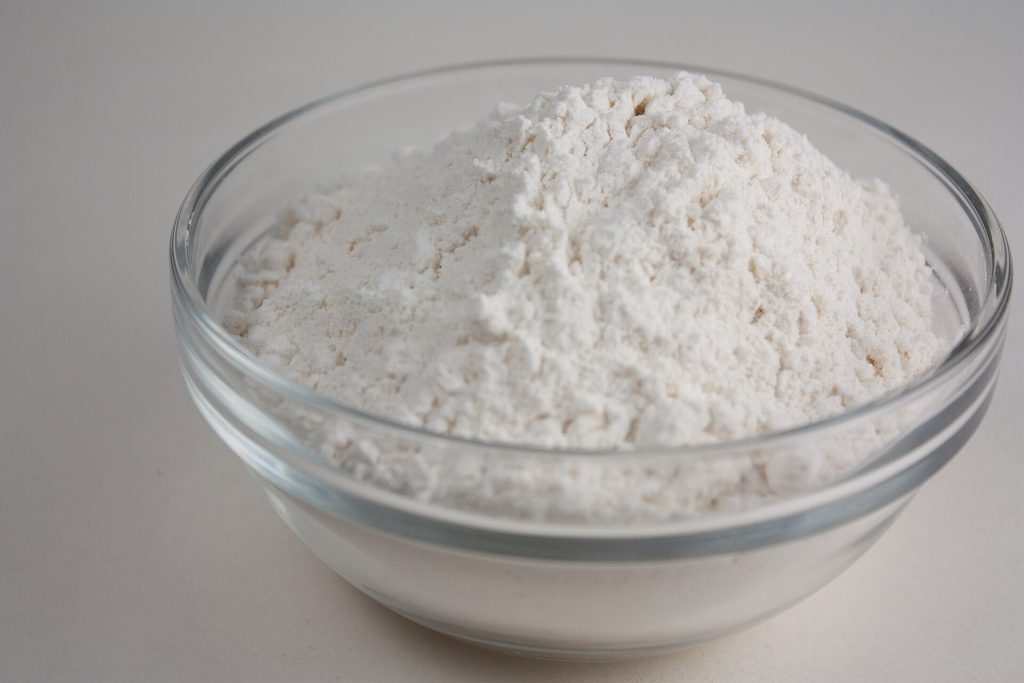
The default answer to a thin sauce is a spoon of cornstarch, and it is the answer that most often leaves the sauce glossy, slippery and slightly odd.
Cornstarch is fast and reliable, and it sets to a texture that reads as jelly rather than as sauce, especially once it cools.
It also breaks down under long heat and in acid, so a sauce thickened with it can thin again halfway through dinner.
Flour, the starch in the water vegetables were cooked in, and plain reduction all thicken a sauce with less of that effect.
Each one has a different texture and a different failure mode. Knowing which is which is most of the skill.
What starch is doing in a hot liquid
Starch granules absorb water and swell as they heat, and they peak somewhere between 190F and 205F.
At that point the granules have taken up many times their weight in water and the liquid turns thick and cloudy.
Keep boiling and stirring hard and the granules shear apart. The sauce goes thin again and never quite comes back.
That is why a sauce thickened with starch should come to a simmer and no further, and why stirring should be gentle.
Acid attacks the swollen granules as well. A sauce with a lot of lemon or vinegar in it needs more starch, or a starch that holds up better.
Flour has protein alongside its starch, and the protein makes the finished sauce opaque rather than clear. That is a texture choice, not a fault.
Different starches swell to different degrees. Potato starch thickens more per spoon than wheat flour and gives a glossier result.
Starch also has to be dispersed before it meets hot liquid, or the outside of each granule sets while the inside stays dry.
A sauce thickened with starch looks cloudy. That is the swollen granules catching the light, and only straining clears it.
Flour, and cooking out the raw taste
One tablespoon of flour thickens a cup of liquid lightly, and two thickens it enough to coat a spoon.
A roux is equal parts flour and fat, cooked together before the liquid goes in. Two minutes of cooking removes the raw, pasty taste.
The roux should smell of bread rather than of raw flour, and it should be a shade darker than when it started.
Add the liquid in a thin stream while whisking, or the flour seizes into lumps that will not break up later.
A slurry is the shortcut: flour whisked into cold water, then stirred into the sauce off the heat and brought back to a simmer.
Slurries work and they taste slightly raw, because the flour never gets the direct heat that a roux gets.
Beurre manie, flour worked into soft butter, can be dropped into a finished sauce in small pieces and whisked in off the heat.
It thickens and enriches at once, and it is the easiest repair for a sauce that is thin at the last minute.
Flour browns as it cooks, and a darker roux thickens less than a pale one because the heat has already damaged some of the starch.
For a light sauce, keep the roux pale. For a dark gravy, accept that it will need more flour for the same body.
Flour also works more slowly than cornstarch. A flour sauce reaches full thickness after a couple of minutes at a simmer, not at once.
Starch water from pasta, potatoes and rice
The water pasta was cooked in carries one to three per cent starch, already swollen and already cooked.
That means it thickens without a raw taste and without another ingredient. Two to four tablespoons will visibly change a pan sauce.
It has to be added after the sauce has reduced, or the reduction will drive off the water and leave the starch behind.
Potato water is stronger, because potatoes release more starch than pasta does. A few tablespoons will thicken a soup.
Rice water is stronger again, and it is cloudy with starch that has already gelatinised. Use it in braises rather than in delicate sauces.
The water from a tin of beans is the same idea and it brings a savoury note with the starch.
Keep a cup of the cooking water back every time you boil pasta or potatoes. It costs nothing and it solves a common problem.
The starch water has to be hot or at least warm. Cold water added at the end cools the sauce and thins it before it has time to thicken.
A sauce thickened with pasta water tightens as it cools, so serve it at once or loosen it with a spoon of the same water.
Strain the water if it carries fragments of pasta or potato skin, unless the sauce is meant to look rustic.
Reduction, the slowest and cleanest
Reduction removes water and leaves everything else behind, including the gelatin from a good stock.
A cup of stock reduced to three tablespoons is thick enough to coat the back of a spoon with nothing added.
It is also the only method here that improves the flavour while it thickens, because concentration works on taste as well as texture.
Reduce at a simmer in a wide pan, skim the fat that rises, and taste every few minutes near the end.
The limit is salt. Stock reduced by two thirds carries two thirds more salt per spoon, and the sauce can become unusable before it is thick.
If the stock is thin, a bloomed sheet of gelatin stirred in while warm gives body without changing the flavour.
Reduction is the only method that works on a sauce with no starch in it at all, such as a jus or a vinegar glaze.
A wide shallow pan is the tool for this. It reduces a cup of stock in four minutes where a small pan takes fifteen.
Gelatin-rich stock reduced far enough sets to a jelly when cold. That is the sign it had body to begin with.
Combining two methods
Reduction and starch work well together: reduce first for flavour, then thicken for texture with a small amount of starch.
A roux followed by stock is the same idea in a different order, and it gives a sauce that holds its shape on the plate.
Reduction plus starch water is the fastest version, and it is what most pasta sauces are doing without saying so.
Do not stack all three. A sauce thickened by reduction, flour and pasta water at once tastes of thickener rather than of the dish.
Whisk the starch in off the heat, then bring the sauce back to a simmer for a minute and stop.
Taste after the first addition before adding more. Starch keeps thickening as it cools, and a sauce that looks right in the pan can be stiff on the plate.
Order matters when both are used: reduce to the strength you want, then thicken to the texture you want.
Thickening first and reducing afterwards concentrates the starch as well, and the sauce turns pasty rather than glossy.
Why a sauce thins again
Acid, long heat, hard stirring and freezing all break the starch network. A sauce that was thick at the stove can be thin at the table.
Reheating does the same thing slowly, which is why a sauce made ahead is often thinner the next day.
Salt added at the end can thin a starch gel slightly, so season before the final thickening rather than after it.
The repair for a thin sauce is a fresh slurry or a little starch water, added off the heat and brought back to a simmer once.
A sauce that has been frozen and thawed will often separate, and no amount of whisking brings the texture back.
Holding a sauce warm rather than hot for an hour is gentler on starch than keeping it at a boil.
If a sauce has to wait, cover the surface with a film of stock or melted fat to stop a skin forming, then reheat it gently.
Put a tablespoon of flour and a tablespoon of oil in a small pan now, and cook them together for two minutes over medium heat.
Add half a cup of stock, whisk until it thickens, and taste it next to a version thickened with cold water and flour. The difference is the cooked flour.