Heat and Timing
Browning onions faster without burning them

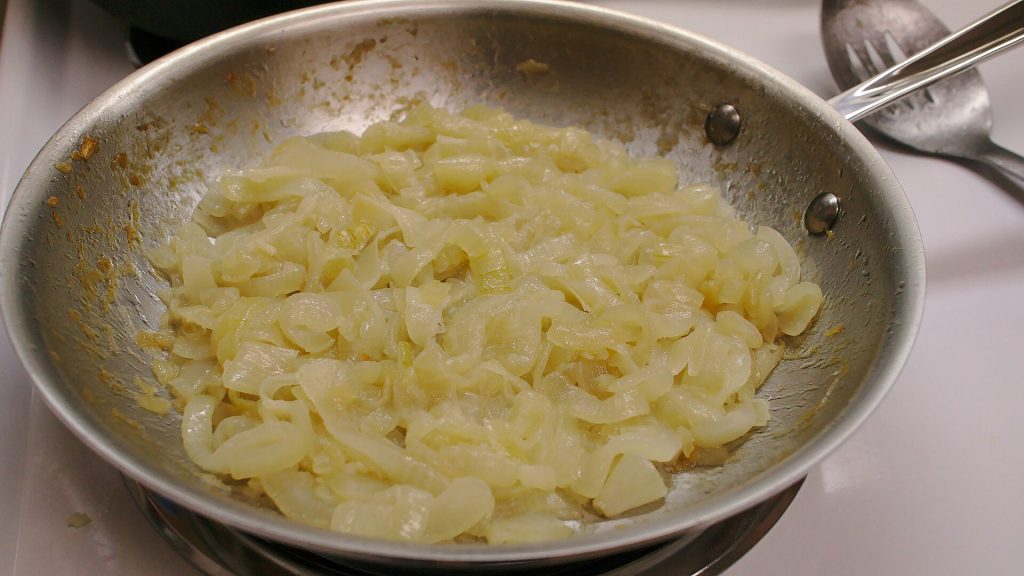
The instruction to cook onions low and slow for forty minutes is not wrong. It is simply not the only route, and it is not the fastest one that still works.
Onions are about 89 percent water. Until that water is gone the surface cannot pass 212F, and until it passes 300F there is no browning at all.
Every method that browns onions is a method for removing water. The differences are how fast, and how much of the onion you sacrifice at the edges.
What browning onions actually requires
An onion is a stack of thin layers of cells, each holding water and sugars in solution. Heat first drives the water out and collapses the walls.
After that, two things color it. Sugars caramelize, and amino acids and sugars react together in the browning reaction that gives cooked onions their depth.
Both need a dry surface above roughly 300F. A wet onion sits at 212F no matter how high the flame, because the water is absorbing the heat.
That is why a pan of onions can look wet and pale for ten minutes and then darken quickly. The water has to leave before the color arrives.
The volume drop is the visible sign. Two pounds of sliced onion fill a wide pan and cook down to about two cups.
Storage onions hold more water than sweet varieties, so they take longer to dry out and brown. The sweet ones give up their water sooner and catch faster.
Onions cut an hour ahead lose some surface water and brown faster. The cut faces dry, and dry faces color sooner.
Why low and slow works, and why it is slow
Gentle heat removes water gradually, so the surface never gets far ahead of the interior. The onions soften evenly and the edges do not scorch.
The cost is time. At low heat the water leaves slowly, and the batch spends twenty minutes at a temperature where nothing can brown.
It also demands attention near the end. Once the water is gone, the same low heat that was safe becomes slow burning, and a neglected pan goes from gold to black.
Low and slow is right when you want a deep, even, jammy result and have the time for it. It is the wrong method on a Tuesday.
A lid makes the slow version slower. Closed, the pan holds the water in, and the onions stew in their own liquid until you take the lid off.
The wide pan and the water brake
Speed comes from two changes: more surface area, and water added on purpose.
Restaurants work in wide shallow pans over high heat, and they keep a water bottle at the station rather than a timer. That is the same method with a bigger burner.
Use the widest pan you own and no more onions than will lie in a layer about an inch deep. A deep pile steams, and steam at 212F cannot brown anything.
Start on medium high with fat, and let the onions sit for two minutes before the first stir. The bottom layer needs contact to begin.
Then stir every minute or so, scraping the bottom. The sound tells you where you are. A hard sizzle means water is still leaving, and near silence means the pan is dry.
When the pan goes quiet, add two tablespoons of water and stir. It hisses, lifts the fond, and steams the onions for a few seconds.
That splash does two jobs. It cools the surface just enough to stop the edges burning, and it softens the outer cells so they release their water faster.
Repeat three or four times, every two or three minutes. Each cycle removes water and rebuilds heat, and the onions darken a stage each time.
It is faster than the gentle method because the pan spends more time above 300F. The water arrives in bursts instead of being left to leave on its own.
Expect twelve to eighteen minutes for two pounds, against forty for the slow route. The result is less uniform, which is usually an improvement.
The fat matters less than the pan. Butter browns and can scorch at these temperatures, so use oil or a mix and save the butter for the last minute.
Pan thickness decides how well the heat holds. A thin pan drops when the onions go in and takes a minute to recover, which is one more minute at 212F.
Keep the fat hot between batches and between additions. Onions added to cool fat cook like onions added to a cool pan.
Salt, alkaline and the clock
Salt added at the start draws water out of the cells. That sounds like the opposite of what you want, and it is not.
The water comes to the surface where it can evaporate, the cell walls soften faster, and the onions collapse sooner. Salt early buys several minutes.
Salt late seasons the outside and leaves the structure intact for longer. For browning, early is the better moment.
Salt also pulls water into the pan, so the first three minutes look wetter than they would without it. That water is doing useful work.
The amount matters less than the moment. A teaspoon per pound at the start is enough to draw water without leaving the onions tasting salty.
A small pinch of baking soda makes the surface alkaline, which speeds the browning reaction considerably. A quarter teaspoon for two pounds is enough.
Too much and the onions turn soft and slippery, with a flavor that reads flat rather than sweet. The margin is narrow, so measure it rather than pour.
Sugar is the other shortcut and the least useful. It browns before the onion is cooked, so you get color on slices that still taste raw.
Why the edges burn first
Onions brown unevenly because the pan is uneven. The ring over the burner runs hotter than the rim, and onions at the outer edge sit beyond the fat.
Those dry edges scorch first, and a burnt edge tastes bitter in a way that spreads through the whole pan.
Stir from the outside in. Bring the rim onions to the center and push the center ones outward, so every piece spends time in the hot zone.
Keep the pile shallow enough that the spatula reaches the bottom everywhere. If the pan is overfilled, no amount of stirring fixes the middle.
Two onions in a ten inch pan is already a crowd. The same two onions in a fourteen inch pan brown in half the time.
Listen for the change from sizzle to crackle. Crackling means the water is nearly gone, and the next thirty seconds decide the color.
Scrape the fond as you go. Those brown deposits are concentrated flavor, and left alone they carbonize and turn acrid.
A flat edged spatula does this better than a spoon. It gets under the fond instead of pushing it around, and it keeps the layer from building up.
If a batch does catch, do not stir the black bits through. Tip the onions into a bowl, wipe the pan, and start again with fresh fat.
A splash of vinegar or wine at the end lifts the last of the fond and adds a sharpness that the sweetness needs. Add it off the heat so it does not spit.
What to do in the next ten minutes
Slice two onions about a quarter inch thick and put your widest pan on medium high with two tablespoons of oil.
Add the onions with a good pinch of salt, spread them to an inch deep, and leave them for two minutes.
Then stir, scraping the bottom, and keep a glass of water beside the stove.
Every time the sizzle fades, add a splash of water and stir until it hisses again. Count the cycles.
When the onions are golden and the pan is dry, take them off the heat. Four cycles usually gets there.
Taste one from the edge of the pan and one from the middle. If the edge one is bitter, the rim was running too hot for the batch.
Then write the number of cycles on the recipe card. Next time you will know before you start how long the pan takes.
If the onions are for a soup or a braise, stop at gold. They will darken further in the pot, and a dark start turns bitter over a long simmer.