Vegetables
Green beans that keep their snap after cooking

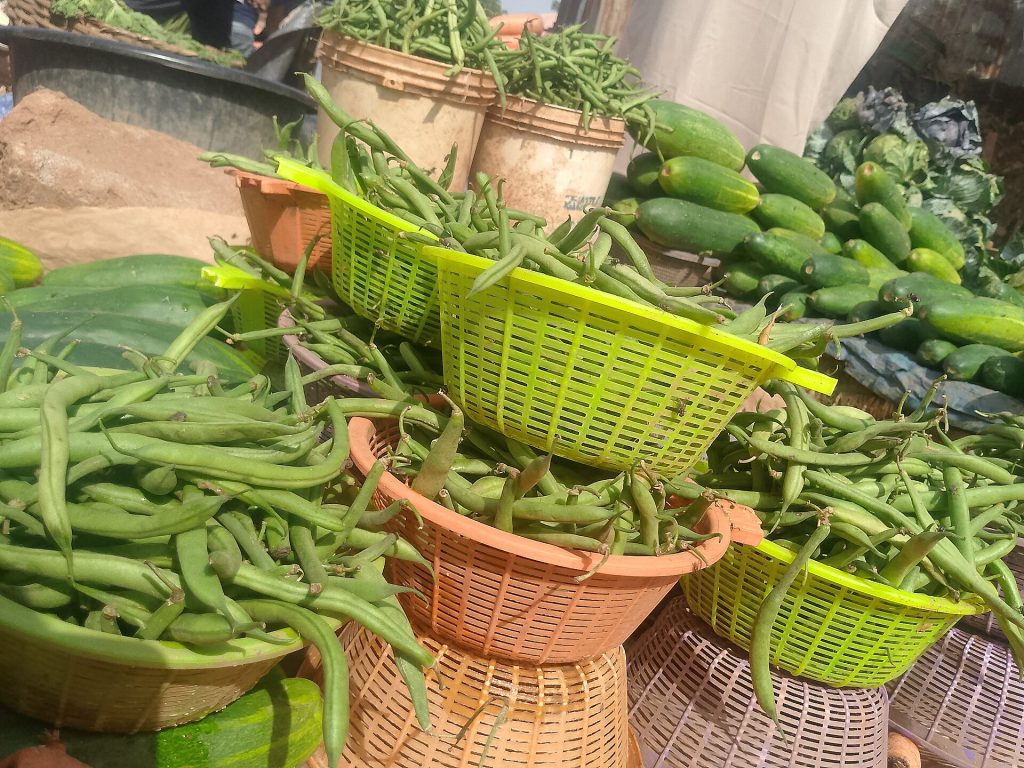
The instruction that follows green beans everywhere is to boil them for four minutes and plunge them into ice water. The ice is not what makes them snap. It stops the cooking, which matters, but the snap was decided before the beans ever met the pot.
Snap is water pressure inside the cells, held by the pectin that glues the cell walls together. Heat dissolves pectin, and once it has gone no amount of cold water puts it back.
The useful question is not how to cool them but how to heat them just enough, and how to start with beans that still have pressure to lose.
Freshness, water volume, time and salt decide the result. The ice bath only protects a result you already have.
Snap is cell pressure, and heat is what removes it
A raw green bean bends a little, then breaks with a clean snap and a bead of moisture at the break. That moisture is the turgor pressure being released.
The cell walls are cellulose fibers cross-linked by pectin, with water inside pushing outward and the wall pushing back.
Above about 180F the pectin begins to dissolve and the cross-links loosen. The wall goes soft, the pressure falls, and the bean goes from snapping to bending.
The change is one way. Cooling slows it and stops it, but it does not reverse it, which is why an overcooked bean stays limp after a long bath in ice.
Very cold water does firm the skin slightly, so the ice bath has a job. It is a smaller job than most recipes suggest.
The other end of the range matters too. A bean cooked for ninety seconds is raw in the middle and squeaks against the teeth.
The window between raw and soft is about two minutes wide, and it opens when the water comes back to a boil.
Every other decision in the method is about hitting that window the same way twice.
Choosing beans that can still snap
A bean that bends into a U without breaking will not snap after cooking. It lost its pressure in the days since harvest, and no technique will bring it back.
Look for beans that are slender and firm, with no bulges where the seeds are swelling. A bulging pod is an old pod.
The stem end should look freshly cut rather than dried and brown, and the surface should be matte rather than wrinkled.
Snap one at the shop, or at home before you cook. If it bends, plan to cook it longer and expect a softer result, or put it in a stew where snap is not the point.
Storage matters as much as selection. Beans lose water through the pod, and a dry fridge will take it out of them in two days.
Keep them in a loosely closed bag with a piece of damp paper towel, and use them within three days of buying.
Do not wash them until you are ready to cook. Surface water in a closed bag invites mold before the beans have a chance to soften.
If the beans are already limp, twenty minutes in ice water restores some of the pressure. It does nothing for beans that have turned woody.
Thin beans and thick beans also cook at different rates, so sort them if the bunch is mixed. The thin ones go in thirty seconds later, or come out first.
The pot, the water and the returning boil
Beans dropped into a small pot of water stop the boiling for a minute or more. During that pause they sit in hot water, softening, with no clock running.
Use a wide pot and far more water than seems necessary, about eight cups for a pound of beans. The larger volume holds its heat and comes back to a boil in seconds.
Keep the pot uncovered. A lid traps steam and heat, and the water boils over the moment the beans go in.
Salt the water at roughly a teaspoon per quart. This seasons the bean through small breaks in the skin and does not toughen it.
Do not add baking soda unless you want soft beans. It raises the pH, speeds pectin breakdown, and will push a three-minute bean into mush in five.
Drop the beans in all at once rather than in handfuls. One addition costs one recovery, and four additions cost four.
Start timing when the water returns to a full boil, not when the beans go in. That single change fixes most inconsistent results.
If the beans are very thin, or the pot is very large, check at two minutes. Thin beans pass from crisp to soft faster than thick ones.
Timing by bite, not by the clock
Fish one bean out with a slotted spoon at two minutes, run it under cold water for a second, and bite the middle.
At two minutes it should be crisp and slightly raw at the center. At three it should snap cleanly with no raw taste. At four it bends before it breaks.
Those three points are the whole range, and they arrive faster than a recipe’s four to six minutes suggests.
Altitude, bean thickness and pot size all move the timing, which is why the clock is a rough guide and the bite is the measurement.
For a salad, stop at three minutes. For a side dish with butter, three and a half. For a bean that will be reheated later, two and a half, because it will soften again in the pan.
Drain the beans the moment they are right. Leaving them in the hot water while you find the colander adds another minute of cooking.
If you are cooking two batches, bring the water back to a full boil between them and add fresh salt. The second batch otherwise starts in water that is already cool and slightly sweet.
When the ice bath helps and when it is theater
The ice bath has one real function: it stops the carryover heat in the bean within about fifteen seconds instead of five minutes.
For beans that will be served cold, or held for a salad an hour later, that matters. For beans going straight into a hot pan with butter, it works against you.
Use half ice and half water, and leave the beans in for thirty to sixty seconds. Longer than that and they take on water and lose flavor.
Dry the beans after the bath. Wet beans in a hot pan steam instead of browning, which is the opposite of what the bath was for.
If the beans are heading into a saute, skip the bath entirely and drain them well, then finish them in the pan with fat and salt. The residual heat does the rest.
A bath also washes off surface salt, so taste again before serving. Cold dulls the perception of salt, and a bean that tasted right hot will taste flat cold.
Do not store beans in the ice water in the fridge. They will be waterlogged by morning and the snap will be gone for a different reason.
Color, salt and ten minutes from now
Green fades to olive when the chlorophyll is exposed to acid, and the change is accelerated by long cooking. A short cook keeps the color, and a pinch of baking soda in the water helps for the two or three minutes the beans are in it.
Acid at the table, lemon or vinegar, will dull the color over time. Add it just before serving, not while the beans are still hot and standing.
If the beans are for a salad, dress them while they are still slightly warm. Warm beans absorb dressing, and cold ones push it to the bottom of the bowl.
Salt the cooking water and salt again at the end. The water seasons the inside, and the final pinch seasons the surface.
Put a wide pot of water on to boil now, with a teaspoon of salt per quart. Trim the stem ends while it heats and leave the tails on.
When the water is at a rolling boil, add a pound of beans at once and start timing when it comes back.
Pull one out at three minutes and bite it. If it snaps, drain the lot, dry the colander shake, and get them to the table within five minutes.