Prep and Storage
Reheating rice without the texture going wrong

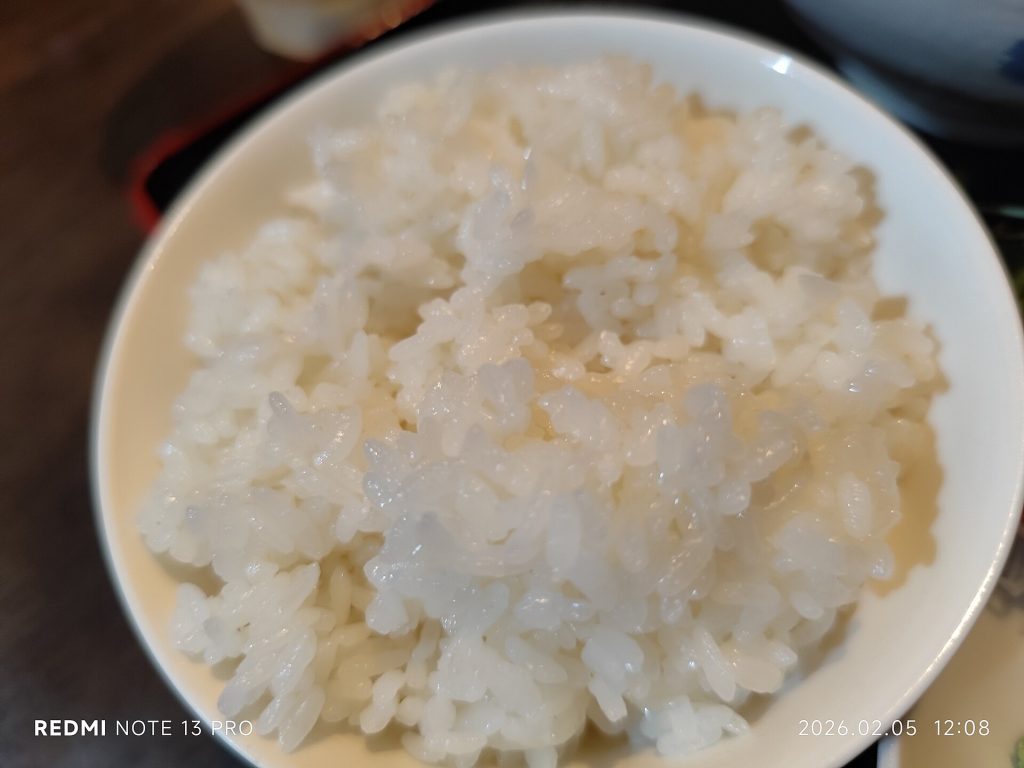
The usual fix for cold rice, a splash of water and two minutes on full power, produces rice that is wet on the outside and hard in the middle. Water is not what the rice is missing. Time at the right temperature is.
Rice that has been in the fridge for a day is not the same food it was when it came off the heat. The grains have firmed, the surface has dried, and the starch inside has reorganized into something closer to a crystal.
Both problems have fixes, and neither of them is a longer burst in the microwave. A covered bowl, moderate power and a few minutes of standing will do more than another minute on high ever will.
What cooling does to a grain of rice
Cooked rice is a gel. The starch granules have absorbed water, swollen and softened, and the grain holds water both inside the granules and between them.
As the rice cools, the starch chains line up and pack together again, squeezing water out to the surface. This is why cold rice looks glossy and feels dry at the same time.
The packed starch is what makes a cold grain hard in the middle and separate from its neighbors. It is also why cold rice is the right starting point for fried rice, where separate grains are the goal.
Heat alone does not undo it. The starch needs both heat and water present before it softens again, which is why dry heat makes old rice brittle and steam brings it back.
The older the rice, the further this has gone. A day in the fridge is recoverable, three days is not, and rice frozen flat and thawed behaves more like day one than day three.
Short grain rice, sticky and soft when hot, sets into a denser block than long grain does. It needs a little more water and a little more standing time to come back.
Why the microwave gets it wrong
A microwave heats by exciting water molecules, and it does that unevenly. Some parts of a bowl of rice absorb far more energy than others and become hot spots while the rest is still cold.
Where the rice is already dry, there is less water to absorb energy, so the dry surface heats slowly and loses what moisture it has. The wet middle boils and drives steam outward.
An uncovered bowl lets that steam escape. What is left is rice that has lost water it needed and gained heat it did not need in the wrong places.
Full power makes it worse. At high wattage the outside of the bowl reaches boiling before the center is warm, and the difference between the two ends never closes.
The fix is not a better machine. It is covering the bowl, lowering the power, and giving the heat time to even out after the microwave stops.
Bowl shape matters as much as the power setting. A wide shallow bowl exposes more surface and warms more evenly than a deep narrow one, where the middle lags well behind the rim.
The covered bowl method
Break up the cold rice first with a fork or with wet fingers. Clumps reheat as clumps, and a solid lump will still be cold in the middle when the loose grains around it are dry.
Sprinkle a tablespoon of water over each cup of rice and toss it through. The water is not there to make the rice wet; it is there to supply the steam that softens the starch.
Lay a damp cloth or a piece of damp paper towel directly on the surface of the rice. It holds steam against the grains instead of letting it collect on the lid and drip back in one place.
Cover the bowl with a plate or a lid that fits, and set the microwave to about half power. Two cups of rice take two to three minutes at that setting rather than one minute at full.
Then leave it alone for three minutes before lifting the lid. The standing time is where the heat moves from the hot grains to the cold ones, and skipping it wastes the whole method.
A large batch should be split between two bowls. Four cups piled into one container need twice the time in the middle, and the outside dries out while it waits for the center.
If the rice is still firm after that, add another teaspoon of water and repeat for a minute. Do not add a second tablespoon, because the rice will go from firm to porridge in one step.
The pan, the steamer and the sieve
Without a microwave, a small pan works well. Put the rice in with a tablespoon of water per cup, cover tightly, and set it over the lowest heat for four minutes, then rest it off the heat for two.
A steamer is gentler and gives the most even result. Spread the rice in a shallow dish, set it over simmering water for five minutes, and the steam reaches every grain at the same temperature.
A sieve over a pot of water does the same job in a smaller kitchen. Line the sieve with a clean cloth, spread the rice, cover the top with a plate and let it steam for four or five minutes.
For a single portion, a bowl set inside a larger bowl of just-boiled water and covered with a plate will warm through in eight minutes. It is slow, but it never dries the edges.
The pan route suits a portion or two rather than a pot. Above two cups, the rice at the bottom catches before the top has warmed, and the scorched layer taints everything above it.
Whichever route you take, fluff the rice with a fork afterwards and let the steam escape for a minute. Rice served straight from a sealed bowl goes sticky and dense as it cools on the plate.
When cold rice is the right answer
Fried rice is the exception that proves the rule. Cold, dry, separated grains fry into distinct grains, while fresh hot rice steams and clumps in the pan.
Break the cold rice up with your hands before it goes in, and get the pan properly hot before the rice touches it. A crowded pan drops in temperature and the rice starts to steam instead of fry.
Rice that has gone too far for a bowl can still become soup. A cup of cold rice simmered in four cups of stock for fifteen minutes breaks down into a thick, smooth porridge.
That route takes any firmness out of the equation, because the grains are meant to fall apart. Stir it now and then, add salt at the end, and thin it with more stock if it tightens.
A handful of cold rice also thickens a soup that has turned out thin, in about five minutes of simmering. It is a better thickener than flour for anything with an Asian frame.
Cold rice also makes a serviceable salad base if it is dressed while still slightly warm, so the grains take up the dressing instead of sitting in a pool of it.
Storing it so it reheats well in the first place
Spread leftover rice on a tray or a wide plate while it is still hot, and leave it uncovered for twenty minutes. A deep pot keeps the middle warm for hours, which is the one thing you do not want.
Box it once it has stopped steaming, in a shallow container, and put it in the fridge rather than the door. Rice keeps for a day and is acceptable on the second, and it is better on day one.
Frozen rice is underrated. Portion it flat in bags while warm, freeze it within the hour, and a portion reheats from frozen in three minutes with a splash of water and a lid.
Reheat only what you will eat. Rice that has been warmed and cooled twice has lost its texture for good, and no method gets it back.
Tonight, take the cold rice out of the fridge, break it up with wet hands, and sprinkle a tablespoon of water over each cup.
Lay a damp cloth on top, cover the bowl, and give it two minutes at half power, then wait three minutes before you lift the lid. That wait is the part that works.