Weeknight Dinners
One-pot rice with sausage and greens that does not scorch

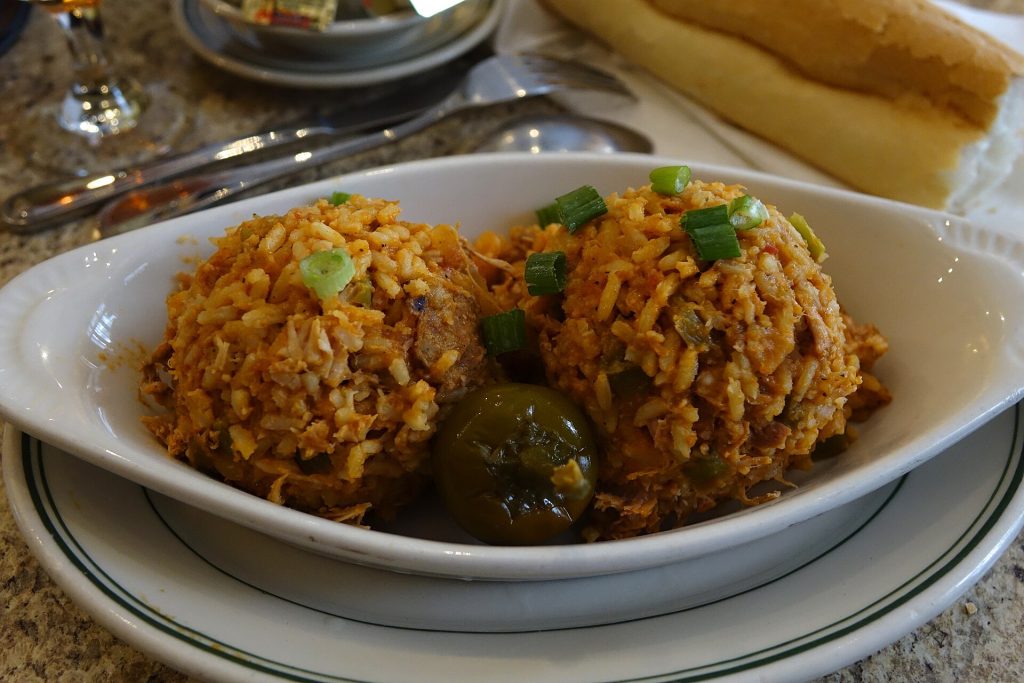
One-pot rice goes wrong at the bottom of the pot. The top is cooked, the middle is fine, and the base is a dark, stuck layer that takes an hour to soak off.
The usual diagnosis is too much heat. Heat is part of it, but the real cause is contact: rice sitting directly on a hot metal floor with no liquid left to carry the heat away.
Rice cooks by absorbing water, and it does that from the outside in. Once the free water is gone, the grains in contact with the base keep taking heat with nothing to moderate it.
So the fix is not simply a lower flame. It is to make sure the liquid is measured correctly for the pot you are using, and to stop applying direct heat once absorption is nearly complete.
This is a one-pot dinner for four, built on a heavy pot with a tight lid, a pound of sausage and two cups of long grain rice.
The greens go in at the end, off the heat, which keeps their color and stops them turning the rice gray.
Scorching is a contact problem
A thin pot transmits heat from the burner to the rice in a narrow ring. The centre of the base gets hot fast, and the grains sitting on it dry out and burn before the rest of the pot has finished.
A heavy pot spreads the heat across the whole base and holds it. Cast iron, enamel on steel, and thick aluminium all do this. Thin steel does not.
The second factor is the ratio of base area to volume. A wide shallow pot exposes more rice to the floor. A narrow deep pot stacks the rice, and the bottom layer takes all the direct heat.
A four to five quart pot with a heavy base and a tight lid is the right shape for four servings. Wider than that and the rice spreads too thin.
Liquid is the moderator. While there is free water in the pot, the base cannot climb above boiling, and boiling water does not burn rice.
Scorching begins in the last few minutes, when the free water is gone and the base temperature starts to climb toward the temperature of the burner.
That is why the last five minutes matter more than the first fifteen. Turn the heat down early rather than rescuing it late.
Rinse the rice, and measure the liquid twice
Rinse long grain rice in cold water until the water runs mostly clear. Two or three changes of water is enough.
Rinsing removes loose surface starch. That starch is what makes the grains glue together and what sticks to the pot floor and burns.
Do not soak the rice for this dish. Soaked rice has already absorbed water, and the measured ratio will leave the pot too wet.
The standard ratio for long grain rice is one part rice to one and a half parts liquid by volume. That ratio assumes a tight lid and a pot that does not lose much steam.
If your lid is loose, use one and three quarter parts. Steam escaping is water the rice was counting on.
This dish has other wet ingredients, and they count. Sausage releases fat and water, and the greens release a surprising amount when they wilt.
So reduce the added liquid by a quarter cup to allow for the sausage, and add the greens only after the rice is done.
Season the liquid, not the rice. Salt dissolved in the liquid distributes evenly. Salt sprinkled on top at the end sits on the surface.
Sausage first, rice second, greens last
Brown the sausage first, in a dry pot, breaking it into pieces as it cooks. It gives up enough fat to cook the aromatics, and the browned bits season the rice.
Take the sausage out when it is browned but not cooked through. It will finish with the rice, and it stays moist that way.
Cook the onion in the rendered fat until soft, then add garlic for forty seconds. Add any spices now, and stir them in the fat for twenty seconds.
Add the rinsed, drained rice and stir it through the fat for a minute. Every grain gets a coating, which slows absorption slightly and keeps the grains separate.
Return the sausage, add the hot liquid, and stir once to distribute everything. Then stop stirring for the rest of the cook.
Stirring during absorption breaks the grains and brings starch to the surface. The result is a sticky pot with a burnt base.
Bring the pot to a boil uncovered, then put the lid on, drop the heat to the lowest setting, and set a timer for fifteen minutes.
If the sausage is very lean, add a spoon of oil before it goes in. Lean sausage sticks and leaves nothing to cook the onion in.
Lid on, heat low, no stirring
The lowest setting on most domestic burners is still hotter than a simmer. If your burner has a small inner ring, use it, and consider a heat diffuser under the pot.
A diffuser is a metal plate that sits between the flame and the pot. It spreads the heat and removes the hot spot in the centre, which is where scorching starts.
Do not lift the lid to check. Every lift releases steam, and the rice at the top stops cooking while the base keeps going.
If you can hear a fast, dry sizzle rather than a quiet simmer, the heat is too high. Move the pot off the burner for thirty seconds and put it back on a lower setting.
Fifteen minutes is the working time for long grain rice at low heat in a heavy pot. Basmati takes twelve, and short grain takes eighteen.
At fifteen minutes, tilt the pot and listen. A faint hiss means the water is nearly gone. Silence means there is still liquid and the rice needs three more minutes.
Take the pot off the heat at that point, lid still on. The rice finishes in its own steam, and the base stops receiving direct heat before it can scorch.
The ten minutes off the heat
Leave the covered pot on a cold surface for ten minutes. Do not put it on a warm trivet and do not wrap it in a towel.
During those ten minutes the remaining water distributes through the grains, the starch sets, and the base loosens from the pot.
If the rice is still tight at ten minutes, put the lid back on and give it five more. If it is wet, take the lid off and let the steam escape for two minutes.
Fluff with a fork, not a spoon. A fork separates the grains. A spoon compresses them into a mass.
Scrape the base gently with a flat wooden spatula as you fluff. If there is a brown crust, lift it in pieces and serve it on top, where it stays crisp.
If the crust is black, do not stir it in. Black rice at the base will taste bitter through the whole pot.
Greens that keep their color
Add the greens after the rest, off the heat, and fold them through the hot rice with a fork. The residual heat wilts them in about two minutes.
Greens cooked in the pot from the start give up water, turn olive drab, and lengthen the cooking time. They also push the liquid ratio out of balance.
Choose a green that wilts rather than one that needs long cooking. Spinach, chard leaves, rocket and tender kale all work. Mature kale needs blanching first.
Cut the greens into ribbons rather than chunks. Ribbons fold through the rice evenly, and chunks clump and leave bare patches.
Season the greens separately with a pinch of salt and a drop of oil before they go in. They will not pick up enough salt from the rice.
A squeeze of lemon at the end lifts the whole pot and cuts the fat from the sausage. Add it after the greens, not before.
If the rice is underdone at the end, add two tablespoons of hot water, put the lid back on, and give it five minutes on the lowest heat.
Rinse the rice now, and put a heavy pot with a tight lid on the stove. The sausage browns in five minutes, and the pot must be hot before it goes in.